How Much Does a Paver Patio Cost in Rhode Island? (2026 Guide)
· By Airton da Silva Soares
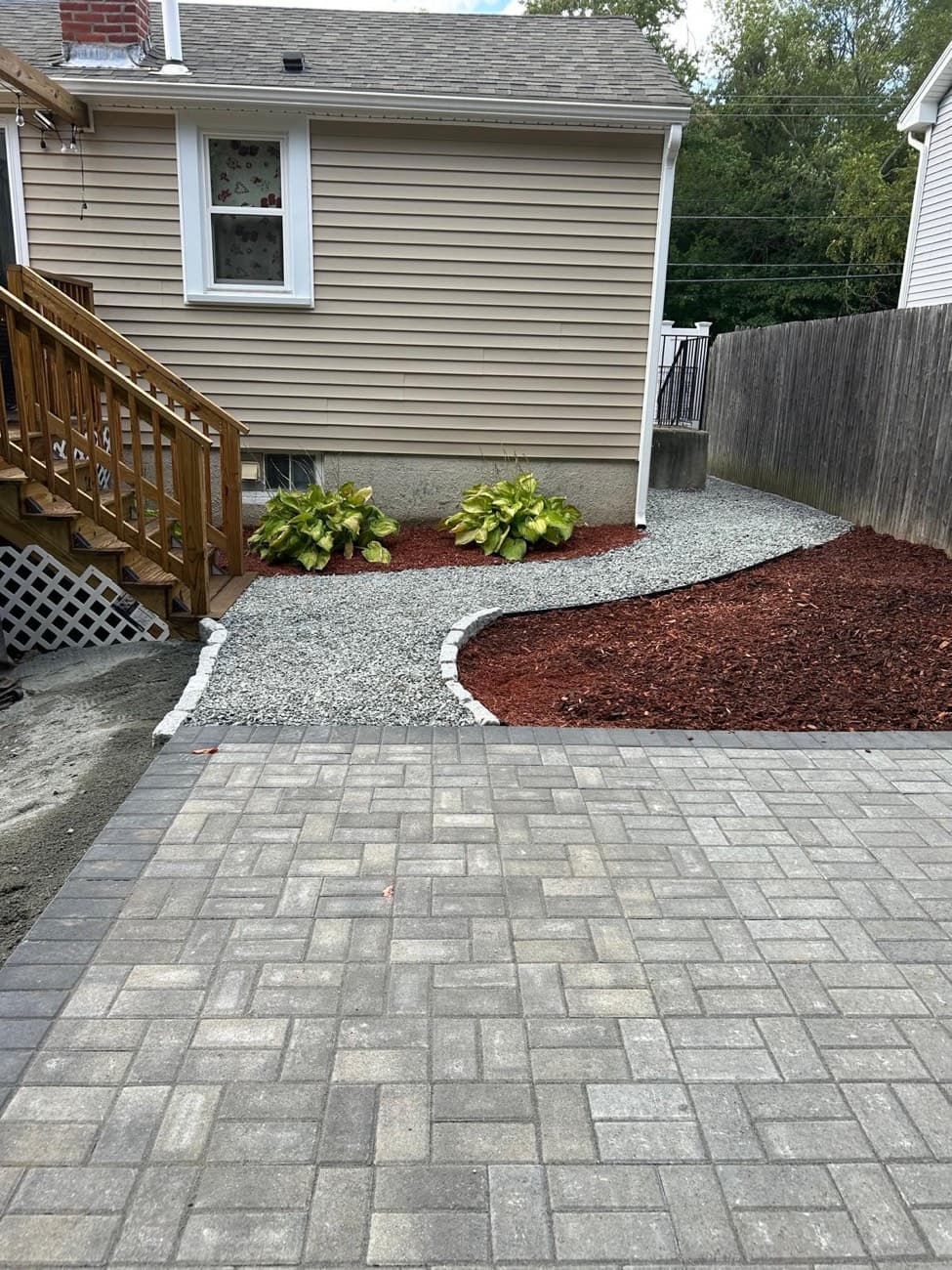
A paver patio is one of the most popular outdoor projects in Rhode Island, and for good reason. Done right, it adds usable living space, holds up to New England winters, and looks better a decade later than a poured slab ever will. The first question almost every homeowner asks is simple: what is this going to cost?
The honest answer is that it depends. Patio pricing is driven by size, the paver you choose, how much prep the site needs, and small details like steps, seat walls, and drainage. Two patios that look similar in photos can carry very different price tags once you account for what is under the surface.
This guide walks through the ranges you can expect in 2026, what actually drives the cost, and how to read an estimate so you can compare bids fairly. As the owner of Levi Construction, I am on every job site in RI and MA, and I put together every estimate the same way I would want one explained to me.
What a Paver Patio Typically Costs in Rhode Island
Across Rhode Island, paver patios most often price out on a per-square-foot basis. Installed cost for a standard, well-built patio typically ranges from the high teens to the low forties per square foot, and it varies quite a bit by paver type, site conditions, and design complexity. A basic rectangular patio in an open, flat yard sits at the lower end. A patio with curves, borders, multiple paver colors, or a premium stone lands higher.
To put that in context, a modest 250 to 350 square foot patio is a common size for a Rhode Island backyard, while larger entertaining spaces often run 500 square feet or more. Because the base preparation and mobilization are a big part of the job, very small patios sometimes cost more per square foot than larger ones, since the fixed costs get spread across fewer feet.
These are market ranges, not a quote. The only way to know your number is an on-site look, because your soil, slope, and access matter as much as the paver you pick. Levi Construction offers free estimates across RI and MA, and the visit is where the real number comes from.
What Drives the Price Up or Down
Paver selection is the most visible cost lever. Standard concrete pavers are the most budget-friendly. Premium tumbled or textured concrete pavers cost more, and natural stone like bluestone or granite sits at the top of the range. The look you want has a real dollar impact, so it helps to see samples before you settle on a budget.
Site prep is the hidden cost that surprises people. If the yard slopes, holds water, or has poor soil, we may need to excavate deeper, add more base material, or build in drainage. Access matters too. A backyard we can reach with equipment is far cheaper to build than one where every wheelbarrow of gravel has to be moved by hand.
Design features add up quickly. Borders in a contrasting color, a fire pit area, built-in seat walls, steps, and lighting all raise the price, but they also transform how the space feels and functions. It is worth deciding which of these matter to you before you get bids so you are comparing the same scope.
Why the Base Matters More Than the Pavers
In New England, the base is everything. Rhode Island winters bring freeze-thaw cycles, where water in the ground freezes, expands, and lifts anything sitting on top of it. This is called frost heave, and it is the number one reason cheap patios end up wavy, cracked, or heaved within a few seasons.
A properly built patio starts with excavation down to solid ground, followed by a compacted base of crushed stone, usually in the range of six to twelve inches deep depending on soil and use. That base is compacted in layers so it does not settle later. On top goes a bedding layer, then the pavers, then polymeric sand swept into the joints to lock everything together and resist weeds and ants.
When you compare two estimates and one is much cheaper, the base is usually where the difference hides. A contractor who skips base depth or compaction can quote a lower number, but you pay for it later in repairs. This is the part of the job that is buried and invisible, which is exactly why it deserves the most attention.
Pavers vs a Concrete Slab: The Long-Term Math
A poured concrete slab often costs less up front than a paver patio, so it can look like the smart budget move. The trade-off shows up over time. Concrete slabs in Rhode Island tend to crack as the ground moves through freeze-thaw cycles, and once a slab cracks, there is no clean fix. You live with it or you replace the whole thing.
Pavers flex with the ground because they are individual units set on a flexible base. If a section ever settles, we can lift and reset just that area rather than tearing out the whole patio. They also come in far more colors, shapes, and patterns, which is why they hold resale appeal better than a gray slab.
None of this means concrete is always wrong. For some uses and budgets it makes sense. But when homeowners ask why pavers cost more, the answer is that you are paying for a surface built to move with New England ground instead of fighting it.
How to Read a Patio Estimate
A good estimate should tell you the finished square footage, the specific paver product and color, the base depth and materials, how joints will be filled, and how the crew will handle drainage and grading. If an estimate is a single lump-sum number with no detail, it is hard to compare and easy to get surprised later.
Watch for the scope, not just the price. One bid might include hauling away the old surface, fixing grading so water runs away from your foundation, and edge restraints to keep the pavers tight. Another might leave those out. When the scopes match, the prices usually get closer than they first appeared.
Ask how the base will be compacted and what sand goes in the joints. Polymeric sand is the standard for a reason, since it hardens to lock pavers in place and slows weeds. These small answers tell you a lot about whether the patio will still look good in five years.
Getting an Accurate Number for Your Yard
Because every property is different, the fastest way to a real budget is an on-site visit. We look at your slope, soil, access, and how you plan to use the space, then match a paver and a base plan to your goals. That is also when we can point out easy wins, like extending the patio a few feet now while the crew is already mobilized, which is far cheaper than adding on later.
Levi Construction has built patios across Rhode Island and nearby Massachusetts for six years, with the owner on site for the work. If you are weighing a paver patio for this season, a free estimate is the simplest next step, and it comes with a written scope so you know exactly what you are buying.
Frequently asked questions
- How much does a paver patio cost per square foot in Rhode Island?
- Installed paver patios in Rhode Island typically range from the high teens to the low forties per square foot, and the price varies by paver type, site prep, and design features. The best way to get an accurate figure is a free on-site estimate.
- Are pavers or concrete cheaper for a patio?
- A poured concrete slab is usually cheaper up front, but it tends to crack over time with New England freeze-thaw cycles. Pavers cost more initially but flex with the ground and can be repaired section by section, which often makes them the better long-term value.
- How long does a paver patio last in New England?
- A properly built paver patio with a deep, compacted stone base can last for decades in Rhode Island. The base is what determines longevity, since it protects the surface from frost heave during winter freeze-thaw cycles.
- Do I need a permit for a paver patio in Rhode Island?
- Permit requirements vary by town and by the size and location of the patio. We can walk you through what your local building department expects during the estimate so nothing catches you off guard.
Related services
Ready for an exact price?
Get a free, no-pressure in-home estimate. Real numbers for your home, not a phone guess.