
Hardscaping in Woonsocket, RI: A Local Homeowner's Guide
· By Airton da Silva Soares
Woonsocket sits in the far northern corner of Rhode Island, wrapped around the Blackstone River and shaped by more than a century of mill history. That history shows up in the yards. Many homes here were built for mill workers on tight, sloping lots, and the older neighborhoods carry stone foundations, brick, and grade changes that a good hardscape plan has to respect.
If you own a home in Woonsocket and you are thinking about a patio, a walkway, a set of steps, or a stone wall, this guide walks through what actually matters here. Not a generic pitch, but the real conditions: the neighborhoods, the housing stock, the soil, the winters, and the materials that hold up in this part of the Blackstone Valley.
I am Airton, the owner of Levi Construction, and I am on the job site for the work we do. We have spent six years building hardscapes across Rhode Island and southeastern Massachusetts, and Woonsocket is a city we know well. Estimates are always free, so use this as a starting point and let us look at your specific lot.
Woonsocket neighborhoods and how the terrain changes
Woonsocket is compact, but the ground changes a lot from one neighborhood to the next. In Fairmount and around Constitution Hill, you find older, densely built streets with steep grades and small back yards. Those lots often need retaining walls or stepped terraces just to make a usable flat space, because pouring a patio on a slope without holding the soil back is asking for trouble.
The Globe neighborhood, down near the river, has its own character with a mix of triple-deckers and single-family homes on modest lots. Here the challenge is usually squeezing a functional patio and walkway into a narrow space while keeping water moving away from the foundation. Around Cass Park, lots tend to open up a little, and homeowners have more room for a full backyard patio, a fire pit area, or a garden wall.
The point is simple: a hardscape design that works on a flat lot near Cass Park is not the same design that works on a steep Constitution Hill lot. Grade, drainage, and how much flat space you actually have drive the whole plan, so the first thing we do is read the land.
The housing stock and what suits it
Woonsocket's housing is older than a lot of Rhode Island. You see a lot of late-1800s and early-1900s homes, triple-deckers, mill housing, Victorians, and plenty of brick. That older, textured architecture pairs beautifully with natural materials. Fieldstone and granite walls, bluestone walkways, and clay or tumbled pavers tend to look right at home next to a hundred-year-old facade.
For a Victorian or an older brick home, a mortared fieldstone wall or a bluestone landing reads as authentic instead of tacked on. For a mid-century or newer home in the outlying parts of the city, cleaner concrete pavers in a simple pattern often look better and cost less than trying to force a rustic look.
The mistake we see is picking a material off a showroom board without thinking about the house it sits next to. A patio and walkway should feel like they belong to your home, not like they were dropped in from a different neighborhood. Matching the stone and color to your existing brick, foundation, or trim goes a long way.
Soil, frost, and Blackstone Valley weather
Woonsocket winters are real. This is one of the colder pockets of Rhode Island, and the frost line here runs deep, so anything that is going to hold up needs to account for frost heave. Frost heave is what happens when water in the soil freezes, expands, and pushes your pavers or steps up out of level. Come spring, you are left with a lumpy, uneven surface.
The soil around the Blackstone River and in the older parts of the city is often a mix of clay, fill, and disturbed ground from a century of building and rebuilding. Clay holds water, and water plus deep frost is the enemy of any hardscape. That is why the base under the surface matters more than the surface itself.
A patio or walkway that lasts here is built on a properly excavated and compacted gravel base, usually deeper than people expect, with the water routed away from the house. We would rather over-build the base you never see than let a nice patio tilt and crack after two winters. On sloped lots especially, drainage and a solid base are what separate a project that lasts twenty years from one that fails in three.
Materials that hold up in Woonsocket
For patios and walkways, concrete pavers are the workhorse. They are freeze-thaw rated, they come in a wide range of colors and shapes, and if one ever gets stained or damaged you can lift and replace a single unit instead of tearing out a whole slab. For a more classic look next to older homes, natural bluestone and granite are excellent, though they cost more.
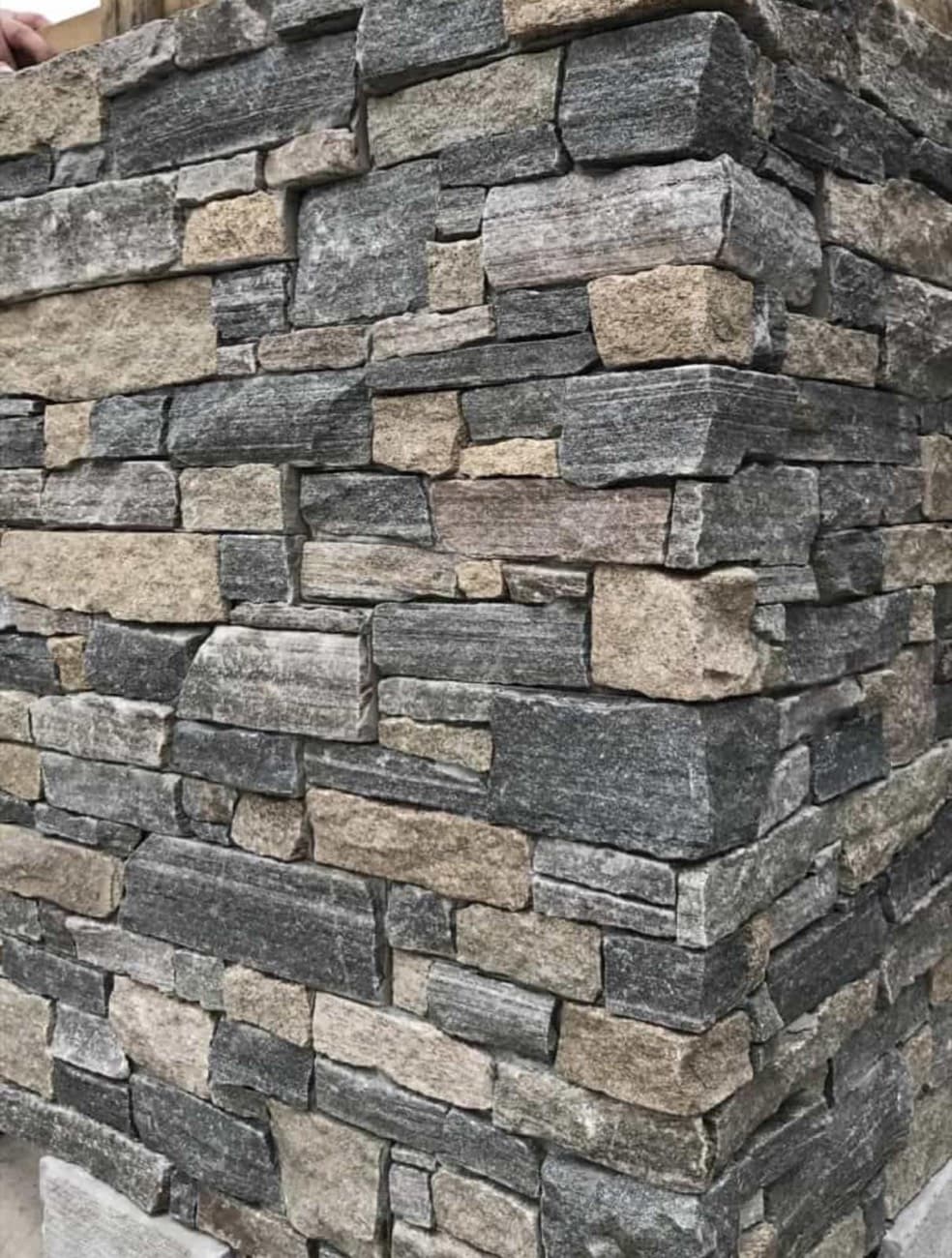
For walls, you have two directions. A fieldstone or granite wall gives you that timeless New England look that fits Woonsocket perfectly, either dry-stacked or mortared. For structural retaining walls holding back a slope, engineered segmental block systems are strong, predictable, and built to handle the load, and they can be faced to look natural.
As a general sense of budget, most paver patios in this area land somewhere in the low-to-mid five figures depending on size, access, and how much grading and drainage the site needs, and natural stone runs higher. Those are typical market ranges, not a quote. The real number depends on your lot, so treat any online figure as a ballpark and get an estimate before you plan around it.
Permits and how to choose a contractor
In Woonsocket, a simple ground-level patio or walkway usually does not require a permit, but retaining walls above a certain height, anything structural, and work near the property line often do. Rules change and the city is the authority, so confirm with the Woonsocket building department before you start rather than assuming. A contractor who knows the area should be able to tell you when a permit is likely and pull it when it is.
When you choose a contractor, look past the pretty finished photo and ask about the base. How deep do they excavate? How do they compact it? How are they handling drainage on your grade? Those questions separate the crews that build things to last from the ones that build things to look good on day one.
In Rhode Island, contractors are expected to be registered with the state, so ask and verify that yourself. Get the scope in writing, ask who is actually on site running the job, and make sure they have walked your specific lot. At Levi Construction I am on the job myself, the estimate is free, and we serve Woonsocket and the surrounding Blackstone Valley towns.
Frequently asked questions
- Is my Woonsocket yard too sloped for a patio?
- A slope is not a dealbreaker, it just changes the plan. On many Woonsocket lots, especially in Fairmount and Constitution Hill, we build a retaining wall or a stepped terrace to create a level area first, then set the patio on top. The key is holding the soil back and moving water away. We will walk your lot and tell you honestly what is possible.
- How deep does the base need to be for Woonsocket winters?
- Deeper than most people expect, because the frost line in northern Rhode Island runs deep. A properly excavated and compacted gravel base under the pavers is what prevents frost heave from pushing your surface out of level. The exact depth depends on your soil, but skimping on the base is the number one reason hardscapes fail here.
- Do I need a permit for a patio in Woonsocket?
- A simple ground-level patio or walkway usually does not, but retaining walls over a certain height and structural work often do. The Woonsocket building department is the final word, so confirm before you start. A local contractor should know when a permit is needed and handle it for you.
- What hardscape material fits an older Woonsocket home?
- Natural fieldstone, granite, and bluestone tend to look right next to the older brick and Victorian homes common in Woonsocket. For newer homes, clean concrete pavers often look better and cost less. The goal is matching the material to your house so it feels original, not added on.
Related services
Serving
Ready for an exact price?
Get a free, no-pressure in-home estimate. Real numbers for your home, not a phone guess.