
Hardscaping in Providence, RI: A Local Homeowner's Guide
· By Airton da Silva Soares
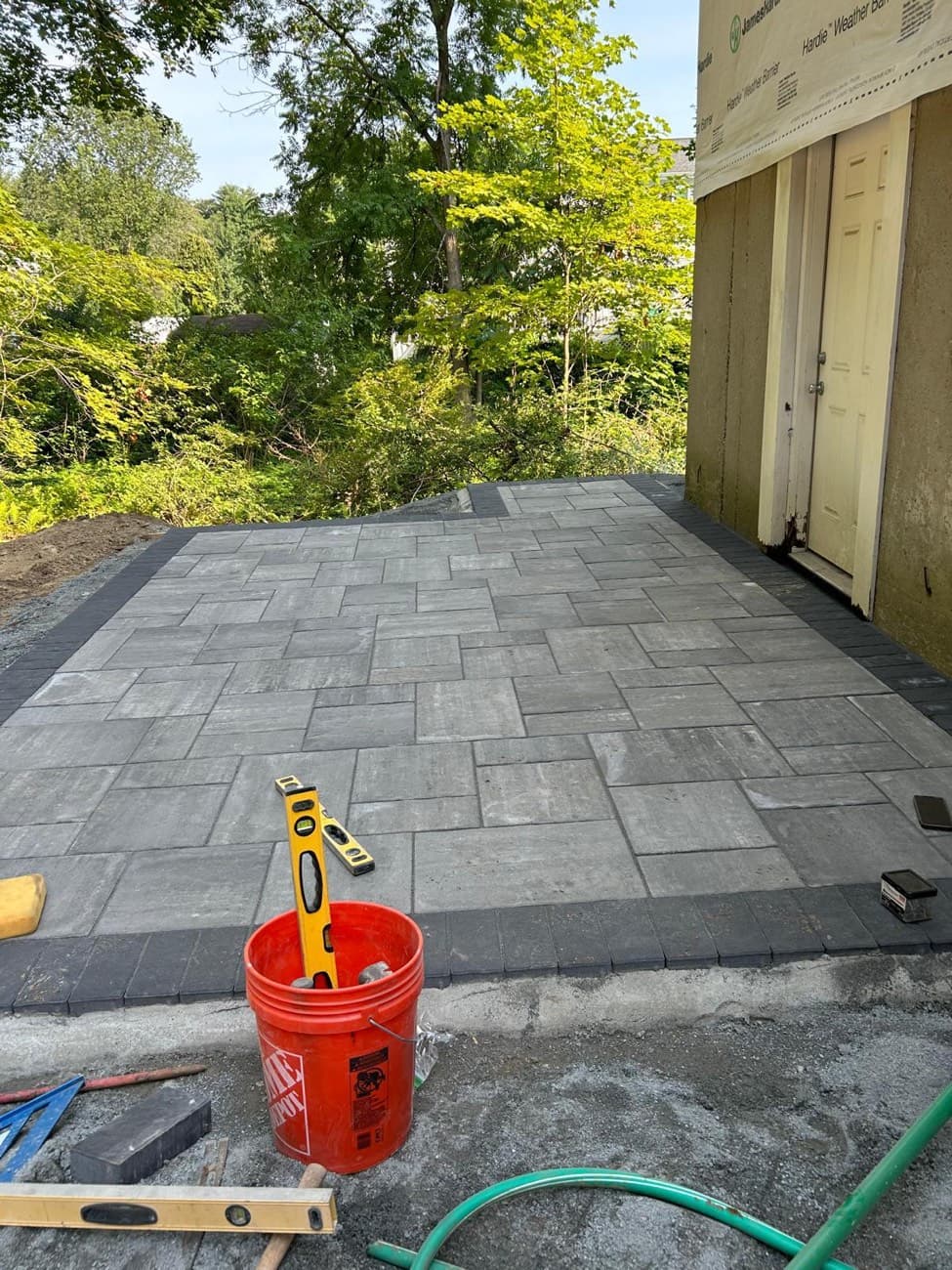
Providence is one of the oldest cities in the country, and it shows in the yards. Between the steep hills of the East Side, the dense triple-deckers of Federal Hill, and the older lots on the South Side, no two properties present the same challenge for a patio, walkway, or wall. Hardscaping here is as much about working with what the land and the house already are as it is about design.
This guide is written for Providence homeowners who are still in the planning stage. It covers the neighborhoods and how their layouts shape a project, the house styles you are likely working with, the soil and weather you are building on, the materials that hold up well in the city, and the basics of permits and choosing a crew.
It is an informational guide, not a sales pitch. When you are ready to talk numbers for your specific property, Levi Construction offers free estimates across Providence and the rest of Rhode Island and Massachusetts.
Providence neighborhoods and what they mean for a project
The East Side, including College Hill, Blackstone, and Wayland Square, is defined by slope and mature trees. Many of these properties sit above or below street grade, so retaining walls and stepped walkways are common rather than optional. Root systems from old oaks and maples also mean a crew has to plan base excavation carefully.
Federal Hill and the West End are tighter. Lots are narrow, houses sit close to the sidewalk, and backyards are often small and enclosed. Here the winning moves are compact paver patios, side-yard walkways, and low garden walls that make a modest space feel finished without crowding it.
On the South Side and in Elmwood, you find larger older homes with more room to work, but also older grading and drainage that can need correcting before any surface goes down. Wherever you are in the city, access matters: many Providence lots have no driveway wide enough for a machine, so material often has to be moved by hand, which is worth flagging early in planning.
House styles across the city and the hardscape that fits
Providence is rich in Colonial, Victorian, and Federal-era homes, especially on the East Side. These houses look best with natural materials that read as period-appropriate: bluestone, granite, and irregular fieldstone tend to complement brick and clapboard far better than bright modern concrete would.
The triple-deckers and workers' cottages common in Federal Hill, the West End, and Olneyville call for something simpler and more practical. Clean concrete pavers or a tumbled brick-style paver suit these homes and give a durable, low-fuss surface for a small yard or front stoop area.
For the mix of mid-century and updated homes on the edges of the city, you have the most freedom. Large-format pavers, smooth stone, and contemporary wall blocks all work. The goal in every case is a material and color that feels like it belongs with the house rather than fighting it.
Providence soil, drainage, and New England weather
Rhode Island soils are generally rocky, and Providence is no exception. Excavation often turns up cobbles, ledge, or old fill from a century of building and rebuilding, all of which affect how a base is prepared. A proper compacted gravel base is what keeps a patio flat over time, so this stage matters more than the pavers themselves.
Drainage is the other constant. On sloped East Side lots, water wants to run toward foundations, so grading and sometimes a drain line have to be part of the plan. On flatter South Side and West End lots, water tends to sit, so pitch and base permeability keep a surface from staying wet.
Then there is the freeze-thaw cycle. Providence winters swing above and below freezing repeatedly, and moisture trapped under a poorly built surface expands and lifts it. This is why a deep, well-compacted base and correct joint material are not upgrades in this climate, they are the difference between a patio that lasts years and one that heaves in its second winter.
Materials that hold up well in Providence
Concrete pavers are the workhorse for patios and walkways here. They flex with the freeze-thaw cycle instead of cracking the way a poured slab can, and if a section ever settles, individual units can be lifted and reset rather than tearing out the whole surface.
Natural stone, especially granite and bluestone, suits the city's older architecture and is extremely durable. It carries a higher material cost than pavers, but for a historic East Side home it often reads as the more fitting choice. Fieldstone and granite are also the traditional look for stone walls and wall caps around Providence.
For retaining walls, which so many sloped Providence lots need, segmental block systems are engineered for the job and handle frost pressure well, while natural stone gives a more traditional face. Whatever the surface, the material that matters most is invisible: the gravel base and the edge restraint that hold everything in place.
Permits and how to choose a crew
Permit requirements in Providence depend on the scope. Simple at-grade patios and walkways often do not trigger a permit, but retaining walls above a certain height, work near property lines, and anything touching drainage or the public right of way frequently do. If your home sits in a historic district, which parts of the East Side do, there can be additional design review. The safe move is to confirm with the Providence permitting office before work starts, and a good contractor will help you sort out what applies.
When you choose a crew, look for one that talks about base preparation and drainage before it talks about the pretty part. In this climate, that is the real test of whether someone knows local conditions. Ask to see finished projects in the area and how they held up through a few winters.
Levi Construction is owner-operated, and Airton is on the job site himself rather than sending an unseen crew. With six years focused on masonry and hardscape across Rhode Island and Massachusetts, the work is planned around exactly the soil, slope, and freeze-thaw conditions Providence throws at it. Free estimates are available whenever you want to talk through your own yard.
Frequently asked questions
- Do I need a permit for a patio in Providence?
- It depends on the scope. A simple at-grade patio often does not require one, but retaining walls above a set height, work near property lines, and projects affecting drainage or the public right of way usually do. Homes in a historic district can face extra review. Confirm with the Providence permitting office before you start, and a good contractor will help you figure out what applies.
- Why do so many Providence yards need retaining walls?
- Much of the city, especially the East Side around College Hill and Blackstone, sits on slopes. Retaining walls hold back grade, create usable flat space, and protect foundations from water running downhill. On steep lots they are often necessary rather than decorative.
- Which material lasts best in Providence winters?
- Concrete pavers and natural stone both handle the local freeze-thaw cycle well because they flex rather than crack, and settled units can be reset individually. The bigger factor is the base underneath: a deep, well-compacted gravel base with proper edge restraint is what keeps any surface from heaving.
- Can hardscaping suit an older historic home?
- Yes. Natural materials like bluestone, granite, and fieldstone complement the Colonial, Victorian, and Federal homes common on the East Side and read as period-appropriate. Choosing a color and texture that belong with the house is the key to a result that looks original rather than added on.
Related services
Serving
Ready for an exact price?
Get a free, no-pressure in-home estimate. Real numbers for your home, not a phone guess.