
Hardscaping in Pawtucket, RI: A Local Homeowner's Guide
· By Airton da Silva Soares
Pawtucket is a classic New England mill city, dense and historic, built up along the Blackstone River. Its neighborhoods, from Oak Hill to Darlington to the streets around Quality Hill, are packed with triple-deckers, older single-families, and compact urban lots. That density is the single biggest factor in planning a patio, walkway, or wall here.
This guide is for Pawtucket homeowners still in the planning stage. It covers the neighborhoods and how their layouts shape a project, the house styles you are likely working with, the local soil and climate, the materials that hold up, and the permit and hiring basics.
It is informational, not a sales pitch. When you are ready for real numbers on your property, Levi Construction offers free estimates across Pawtucket and the rest of Rhode Island and Massachusetts.
Pawtucket neighborhoods and what they mean for a project
Much of Pawtucket, including the neighborhoods around Quality Hill, Woodlawn, and the city center, is dense and urban. Lots are narrow, houses sit close to the street and to each other, and backyards are small and often enclosed. The winning projects here are compact paver patios, tidy side-yard walkways, and low garden walls that make a small space feel finished.
Oak Hill and Darlington, on the eastern side toward the East Providence line, are a bit more residential and settled, with somewhat larger lots and mature trees. There is more room for a proper backyard patio, though tree roots and established grading still shape the work.
Access is the theme across Pawtucket. Many lots have no driveway wide enough for a machine, and tight streets can make staging a challenge, so material is often moved by hand. Flagging access early is one of the most useful things a homeowner can do when planning a project in this city.
House styles in Pawtucket and the hardscape that fits
Pawtucket is full of triple-deckers, mill-era workers' housing, and older single-family homes. For these, clean concrete pavers and tumbled brick-style pavers are a natural fit, giving a durable, practical surface that suits the age and character of the streets without overreaching.
The older Colonials and Victorians in more established pockets like Oak Hill pair well with natural stone and traditional brick, materials that read as period-appropriate and complement brick and clapboard exteriors. Bluestone and granite look right against these homes.
For updated and mid-century homes scattered through the city, warm-toned concrete pavers and simple stone walkways work well. In every case, given how close Pawtucket homes sit to one another, the color and texture should tie the yard to the house so a small space feels intentional rather than crowded.
Pawtucket soil, drainage, and the New England climate
As an old, built-up city, Pawtucket lots often have disturbed soils and fill left from more than a century of construction, along with the rocky glacial ground common to Rhode Island. That mixed subsoil has to be excavated and replaced with a properly compacted gravel base, or a surface built over it will settle unevenly.
Drainage in dense neighborhoods takes real thought. With homes close together and small yards, water has to be directed away from foundations and toward suitable outlets without dumping onto a neighbor's lot. Correct pitch and a permeable base keep patios from staying wet and keep runoff controlled in tight quarters.
The freeze-thaw cycle hits Pawtucket like the rest of the region. Repeated freezing and thawing lifts anything built on a shallow or poorly compacted base, and over old urban fill that is an especially real risk. A deep, well-compacted base and the right joint material are what let a Pawtucket patio come through winter flat instead of heaved.
Materials that hold up well in Pawtucket
Concrete pavers are the practical choice for Pawtucket's tight lots. They flex with freeze-thaw instead of cracking, they suit the city's mill-era and single-family homes, and a settled section can be lifted and reset individually, which matters over the mixed, older soils here.
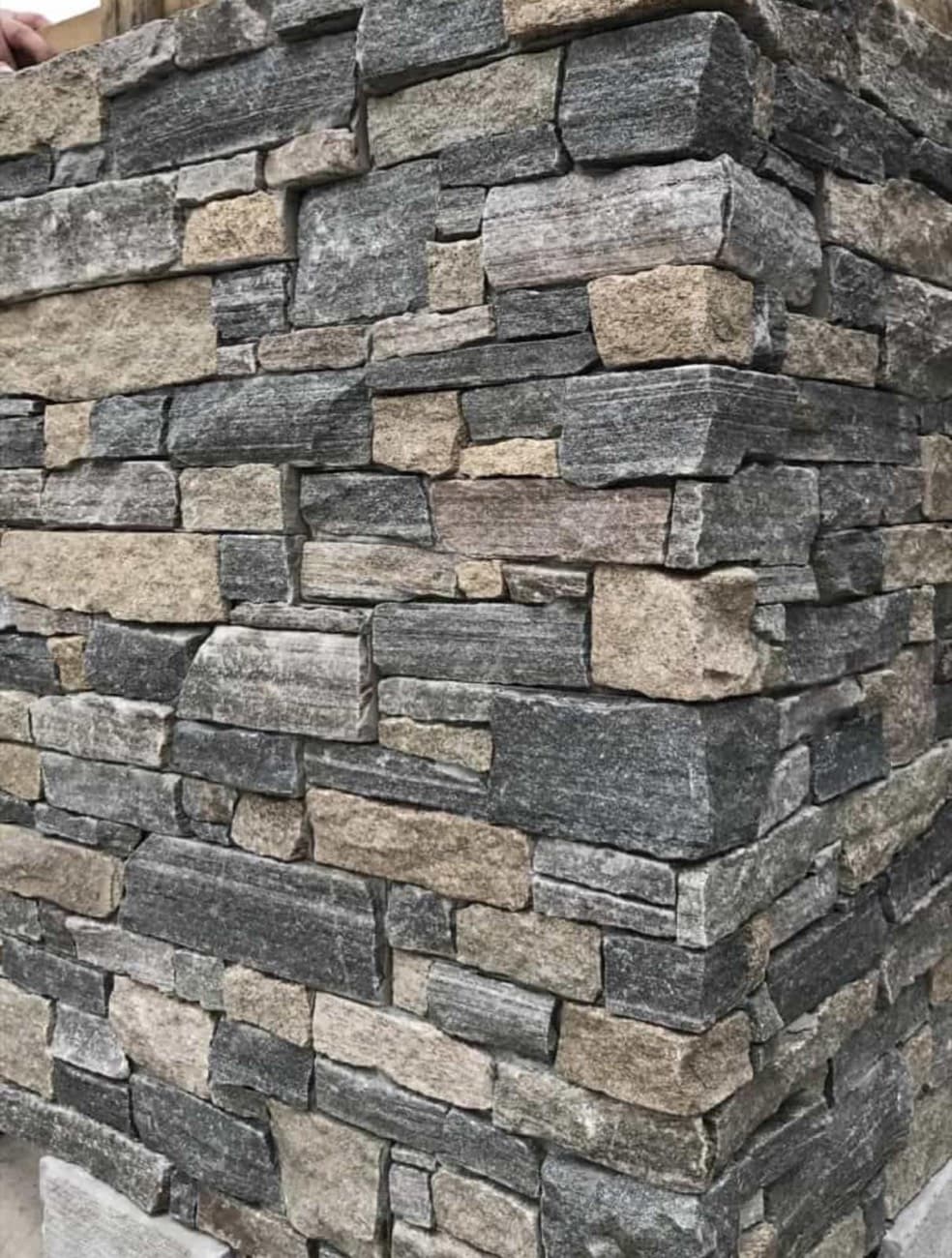
Natural stone, such as bluestone and granite, is a strong fit for the older Colonials and Victorians in neighborhoods like Oak Hill and for anyone wanting a higher-end, lasting look. Granite and fieldstone are also the traditional materials for the low stone walls and garden walls that suit compact urban yards.
Where a small lot needs a grade change or a raised bed, segmental retaining wall block handles soil and frost pressure well, while natural stone gives a more traditional face. On every surface, the compacted gravel base and edge restraint underneath are what keep things stable over Pawtucket's older, mixed ground.
Permits and choosing the right crew
Permit requirements in Pawtucket depend on scope. Simple at-grade patios and walkways often do not require a permit, but retaining walls over a certain height, work near property lines, and anything affecting drainage or the public right of way usually do. In a dense city, property lines and shared drainage come up often, so this is worth getting right. Confirm with the Pawtucket building department before you start, and a good contractor will help you sort out what applies.
When choosing a crew, look for one that talks about base preparation, drainage, and access before the finished look, since on tight urban lots those are where a project is won or lost. A crew used to Pawtucket knows how to stage work and move material where machines cannot reach. Ask to see local projects and how they have held up through a few winters.
Levi Construction is owner-operated, with Airton on the job site rather than an unseen crew. Six years focused on masonry and hardscape across Rhode Island and Massachusetts means projects are planned around exactly the tight access, mixed soils, and freeze-thaw conditions Pawtucket presents. Free estimates are available whenever you want to talk through your yard.
Frequently asked questions
- How does Pawtucket's density affect a hardscaping project?
- It shapes almost everything. Narrow lots, homes close together, and tight streets mean compact patios, side walkways, and low walls fit best, and material often has to be moved by hand because a machine cannot reach the yard. Flagging access early makes planning much smoother.
- Do I need a permit for a patio in Pawtucket?
- It depends on scope. Simple at-grade patios and walkways often do not require one, but retaining walls over a certain height, work near property lines, and projects affecting drainage or the public right of way usually do. In a dense city those come up often. Confirm with the Pawtucket building department before you start.
- Is the old soil in Pawtucket a problem for patios?
- It can be if it is ignored. Many city lots have disturbed soil and fill from a century of building, which settles unevenly if you build over it directly. Excavating and replacing it with a properly compacted gravel base is what gives a patio a stable, long-lasting foundation.
- What material works best on a small Pawtucket lot?
- Concrete pavers are usually the most practical because they flex with freeze-thaw, suit the city's mill-era and single-family homes, and can be reset if a section settles over older soil. Natural stone suits the Colonials and Victorians in areas like Oak Hill for a higher-end look.
Related services
Serving
Ready for an exact price?
Get a free, no-pressure in-home estimate. Real numbers for your home, not a phone guess.