
The Best Time of Year for Hardscaping in New England
· By Airton da Silva Soares
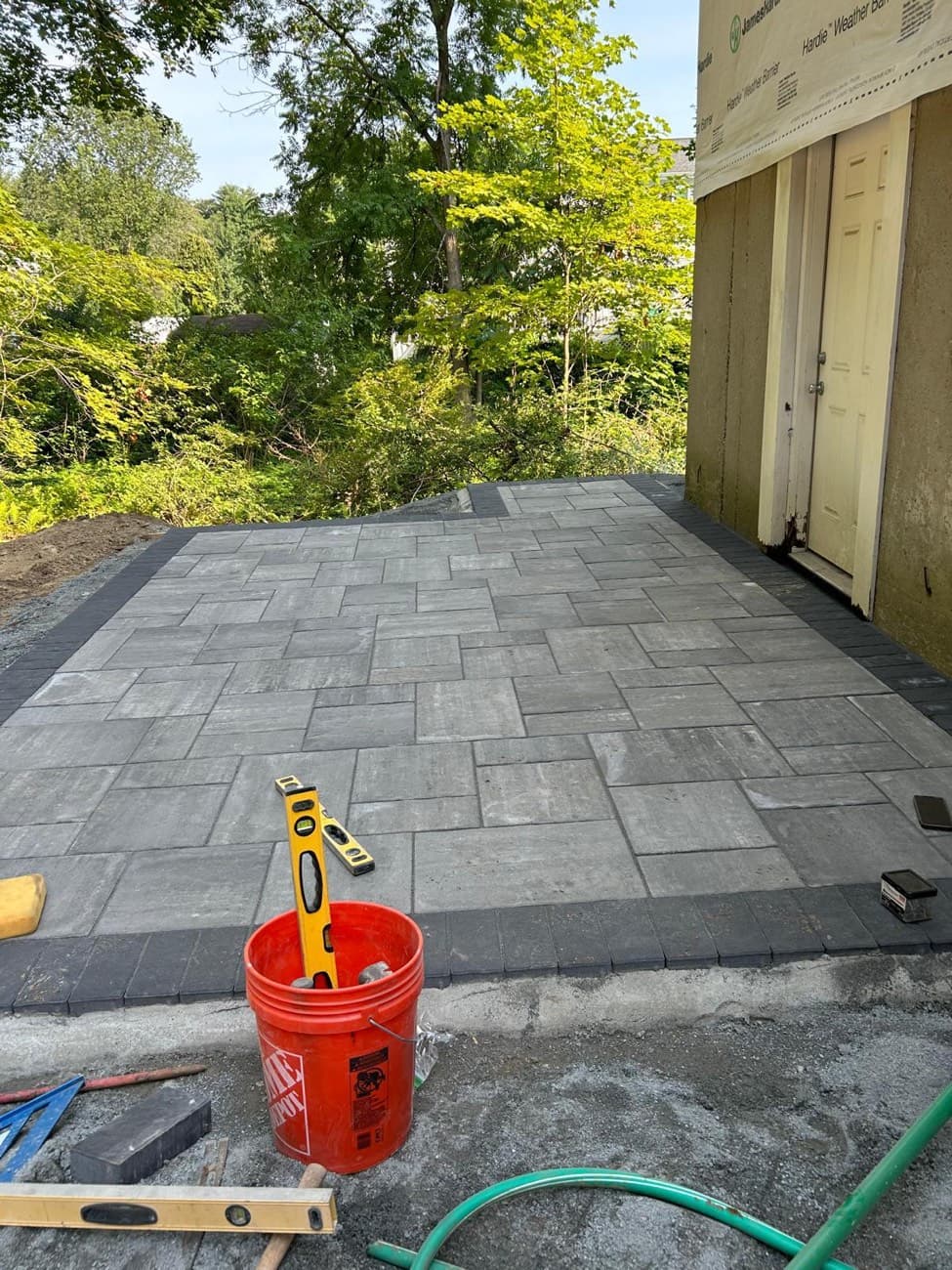
One of the most common questions I get is simple: when is the best time to build a patio, walkway, or wall in New England? The seasons here are real, and they do affect how a hardscape project goes, from ground conditions to how quickly a crew can get to your job.
The short version is that there is no single perfect month, but there are smarter and less-smart windows. Spring and fall are the workhorse seasons, summer is reliable, and deep winter is the one time we usually cannot build. Just as important, the best time to book is often earlier than people expect.
This guide breaks down each season for Rhode Island and Massachusetts homeowners so you can plan around both the weather and the schedule. As the owner of Levi Construction, I run the calendar for our crews, so this is the same advice I give clients deciding when to start.
Why the Season Matters at All
Hardscaping is ground work. We excavate, build and compact a stone base, and set pavers or stone on top. All of that depends on the ground being workable, which means not frozen and not a soaked mess. New England winters freeze the ground solid, and heavy spring rains can turn a site into mud, so timing affects both quality and how smoothly the job runs.
The frost line is the reason winter is off the table for most projects. That is the depth to which the ground freezes, and in this region it can reach several feet down. You cannot properly excavate and compact a base into frozen ground, and any work rushed on frozen soil is likely to move once it thaws.
Because of this, the building season in New England effectively runs from spring through late fall. Within that window, each season has its own advantages, which is what the next sections cover.
Spring: Strong Start, Watch the Mud
Spring is a popular time to start, and for good reason. Homeowners are thinking about the backyard again, and getting a project done early means you enjoy it all summer. The ground has thawed and crews are ramping up for the season.
The one catch in spring is water. Early spring can be wet, and a saturated site is hard to excavate and compact well. A good crew will read the site and wait a few days for it to dry out rather than build on mud, since a base built in poor conditions will not last. Some flexibility on start dates helps in this season.
The real advantage of spring is enjoyment time. Book in late winter or very early spring, and your patio or walkway can be ready before summer, instead of losing half the warm season to the wait.
Summer: The Reliable Workhorse
Summer is dependable building weather in New England. The ground is dry and firm, days are long, and materials cure and set predictably. For most hardscape work, summer conditions are ideal for quality.
The trade-off in summer is demand. This is peak season, so contractor calendars fill up. If you wait until June or July to start calling, you may find that the good crews are booked out for weeks. Popular timing means you have to plan around the schedule.
If summer is when you want the work done, the move is to get your estimate and get on the calendar early in the season. That way you lock in a slot rather than joining the back of a long line.
Fall: Often the Sweet Spot
Fall is a favorite among people who know hardscaping. The ground is still workable, the summer rush eases, and the cooler, drier air is comfortable for the crew and good for the work. Many pros consider early fall one of the best windows of the year.
There is a deadline, though. As fall moves toward winter, the ground starts heading toward the frost line, and at some point it becomes too cold to build properly. The key is not to wait too long. An early to mid fall start leaves comfortable margin. A late fall start can get squeezed if the cold arrives early.
Fall is also smart if you want the project finished and settled before the next winter, so your new patio or wall goes through its first freeze-thaw season already fully cured and locked in.
Winter: The Off-Season, and How to Use It
Deep winter is generally not the time to build hardscape in New England. Frozen ground cannot be excavated or compacted properly, and setting pavers or stone in freezing conditions risks a base that moves come spring. For quality reasons, we usually pause installation in the coldest stretch.
That does not mean winter is wasted. It is actually the best time to plan. Estimates, design decisions, material choices, and getting on the schedule can all happen in winter, so you are first in line when the ground opens up. The projects that get built early in spring are almost always the ones planned over the winter.
So if you are dreaming about a new patio while there is snow on the ground, that is the perfect moment to reach out. We can get the plan and estimate done and pencil you in for the first workable weeks of the new season.
The Real Answer: Book Before You Think You Need To
If there is one takeaway, it is that the best time to build is earlier than most people plan. The seasons give you a spring-through-fall window, but the calendar is what actually decides when your project happens. Good crews get booked, and the homeowners who reach out early get the dates they want and the most enjoyment out of the finished space.
Levi Construction builds hardscape across Rhode Island and Massachusetts, with the owner on site for the work. Wherever we are in the season, a free estimate is the first step, and it puts you in position to grab the right window instead of waiting for next year.
Frequently asked questions
- What is the best time of year for hardscaping in New England?
- Spring through fall is the building season in New England. Early fall is often the sweet spot for dry, workable ground and shorter waits, while spring gets you the most enjoyment time. Winter is best for planning and booking ahead.
- Can you install pavers in the winter in Rhode Island?
- Usually not. Frozen ground cannot be excavated and compacted properly, and setting pavers in freezing conditions risks a base that shifts once it thaws. Winter is the ideal time to plan and schedule so your project starts early in spring.
- How far in advance should I book a hardscaping project?
- Earlier than most people expect. Good crews fill their calendars, especially in summer, so reaching out weeks ahead, or over the winter for a spring start, is the best way to secure the dates you want.
Related services
Ready for an exact price?
Get a free, no-pressure in-home estimate. Real numbers for your home, not a phone guess.