
7 Signs Your Retaining Wall Is Failing (and What to Do)
· By Airton da Silva Soares
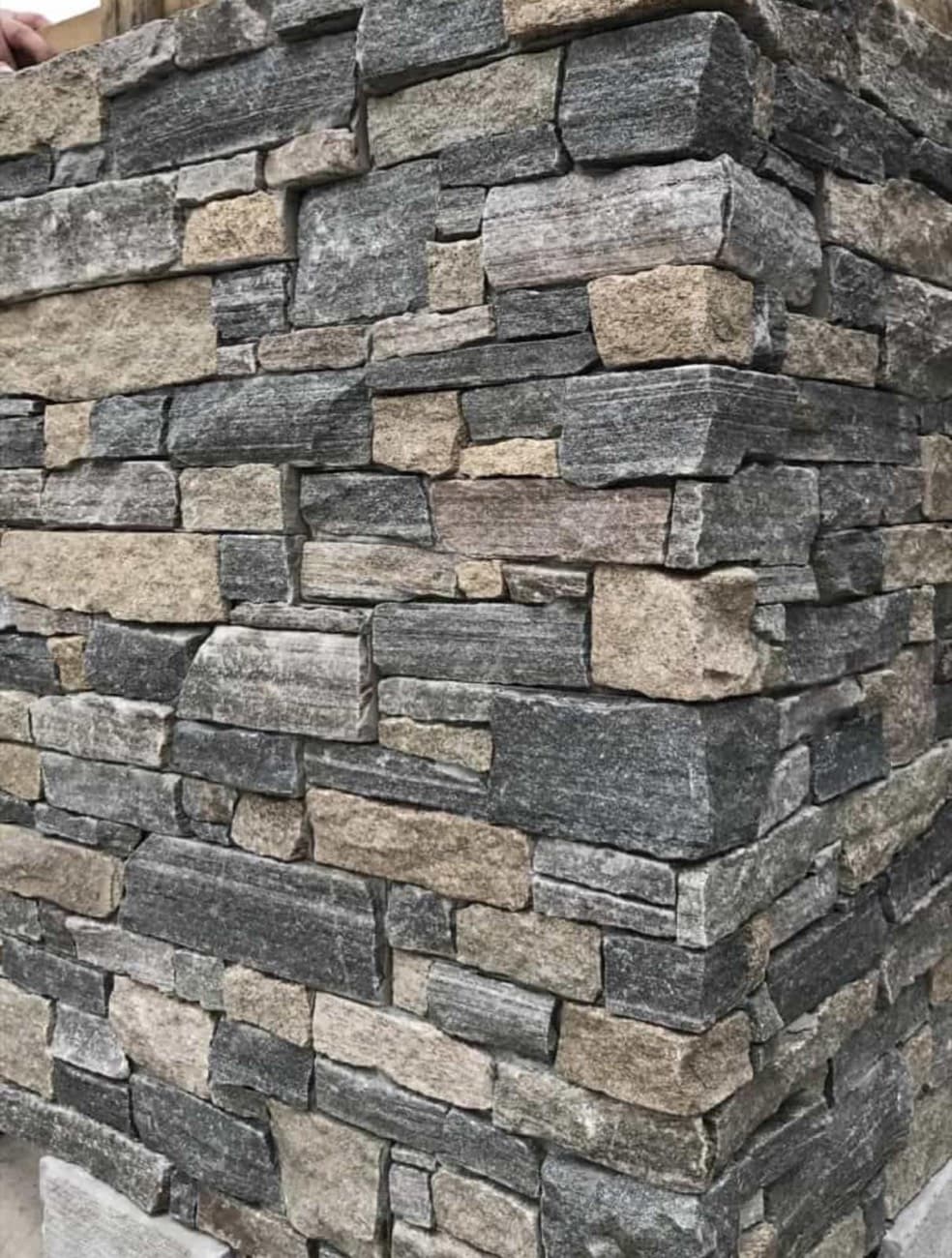
A retaining wall does a serious job: it holds back tons of soil and keeps a slope from moving where you do not want it to. When a wall is healthy, you barely think about it. When it starts to fail, the warning signs are usually there for months before anything dramatic happens, if you know what to look for.
In New England, retaining walls take a beating. Freeze-thaw cycles, poor drainage, and water pressure behind the wall are the usual culprits. Catching a problem early often means a targeted repair instead of a full rebuild, which is a big difference in cost and hassle.
Here are the seven signs I check for when a homeowner in Rhode Island or Massachusetts asks me to look at a wall, what each one means, and what to do about it. As the owner of Levi Construction, I inspect and build these walls myself, so this is a practical checklist you can walk your own property with.
Sign 1: The Wall Is Leaning or Tilting
A wall that is leaning away from the slope is one of the clearest warning signs. Retaining walls are built to stand plumb or with a slight backward lean into the hill. If yours is tipping forward, the soil and water pressure behind it is winning.
A simple check is to hold a level against the face or eyeball it against a vertical reference like a fence post or the corner of your house. Leaning rarely fixes itself and usually gets worse, so a tilt that is visible to the naked eye is worth a professional look.
The cause is often water pressure or an undersized wall for the load. What to do: get it inspected before the lean increases, because a wall that is starting to tip is far cheaper to address than one that has moved a foot.
Sign 2: Bulging or Bowing in the Face
Where a lean tips the whole wall, bulging is a localized push, a section of the wall belly out while the rest stays put. This means pressure is concentrated in one spot, often because water is trapped there or the base gave way underneath.
Bulging is a red flag because it shows the wall is deforming, not just moving as a unit. In block or stone walls, you may see one course pushed out ahead of the others.
What to do: do not ignore a bulge. It tends to grow, and a bulging wall can go from a repair to a collapse if left alone. An inspection can tell you whether the section can be rebuilt or the whole wall needs attention.
Sign 3: Cracks Running Through the Wall
Cracks tell a story. Vertical or stair-step cracks, blocks or stones separating, or a mortared wall splitting apart all point to movement in the structure. A few hairline surface cracks in an old wall are not always urgent, but growing or widening cracks are.
In New England, freeze-thaw is a common driver. Water gets into a crack, freezes, expands, and makes the crack bigger every winter. What starts small can open up over a few seasons.
What to do: mark the width of a crack and check it over time, or better, have it looked at. A crack that is clearly growing means the wall is actively moving and should be evaluated before the next freeze cycle.
Sign 4: Water Pooling or Poor Drainage
Water is the number one enemy of retaining walls, and drainage problems are often the root cause behind every other sign on this list. If you see water pooling at the base, staining and moisture on the face, or soggy ground behind the wall after rain, the wall is fighting water pressure it was not meant to hold.
A well-built wall has drainage behind it, gravel backfill and often a perforated pipe, so water escapes instead of building up. When that drainage is missing or clogged, hydrostatic pressure pushes on the back of the wall and drives leaning, bulging, and cracking.
What to do: notice where water goes during a storm. If it collects at or behind the wall, drainage is likely the issue, and fixing drainage is often central to any lasting repair.
Sign 5: Soil Erosion, Gaps, or Settling
Look at the top and ends of the wall. Soil washing out from behind it, gaps opening between the wall and the ground, or the ground behind the wall settling and sinking all indicate the wall is no longer holding the soil the way it should.
You might notice a low spot or dip in the lawn or patio above the wall, or see soil spilling through joints. This means material is moving, which undermines both the wall and whatever sits above it.
What to do: erosion tends to accelerate once it starts, because moving soil creates channels for more water. Addressing it early protects both the wall and the ground it supports.
Sign 6: Separation From Adjoining Structures
If your wall meets steps, a patio, a walkway, or another wall, watch the joints. A gap opening where the wall meets those features, or steps and pavers pulling away from the wall, shows the wall is shifting relative to everything around it.
This is a movement clue that is easy to spot because you have a fixed reference right next to it. A joint that used to be tight and is now a visible gap means something moved.
What to do: measure the gap and keep an eye on it, or have it inspected. Separation often accompanies the other signs and helps confirm the wall is actively moving rather than simply weathering.
Sign 7: Crumbling, Spalling, or Loose Units
Finally, look at the material itself. Crumbling mortar, spalling or flaking on block faces, and stones or blocks that wiggle when you push on them all point to a wall that is deteriorating. Freeze-thaw and constant moisture wear materials down over the years.
Loose units are both a sign of failure and a safety issue, since a stone that can be pushed out is a stone that could fall out. On older dry-stacked or mortared walls, this kind of deterioration is common near the top or wherever water sits.
What to do: for isolated deterioration, a rebuild of the affected section may be enough. Widespread crumbling usually means the wall is near the end of its service life and rebuilding is the smarter long-term move.
Repair or Rebuild? And What Causes Failure
The single biggest cause of retaining wall failure in New England is water combined with freeze-thaw. Without proper drainage behind the wall, water builds up, freezes, expands, and pushes on the structure winter after winter. A wall built without a solid base and drainage is fighting a battle it will eventually lose.
Whether you repair or rebuild depends on how far things have gone. One bulging or crumbling section on an otherwise sound wall can often be rebuilt. A wall that is leaning along its whole length, cracking throughout, and losing soil is usually telling you it needs to be rebuilt correctly, with the drainage and base it never had.
If you spotted one or more of these signs on your property, the safe next step is a look from someone who builds these walls. Levi Construction offers free on-site inspections across Rhode Island and Massachusetts, with the owner doing the evaluation, so you get a straight answer on whether it is a repair or a rebuild before it becomes an emergency.
Frequently asked questions
- What are the first signs a retaining wall is failing?
- Early signs include leaning or tilting, bulging in the face, growing cracks, water pooling behind or at the base, and soil eroding from behind the top of the wall. Catching these early often means a repair instead of a full rebuild.
- Why do retaining walls fail in New England?
- The most common cause is water combined with freeze-thaw cycles. Without proper drainage behind the wall, water builds up, freezes, expands, and pushes on the structure each winter, driving leaning, bulging, and cracking.
- Can a failing retaining wall be repaired, or does it need to be rebuilt?
- It depends on the extent. An isolated bulging or crumbling section on an otherwise sound wall can often be rebuilt. A wall that is leaning throughout, cracking widely, and losing soil usually needs a full rebuild with proper base and drainage.
- Is a leaning retaining wall dangerous?
- A leaning wall is a serious warning sign because it can progress to collapse if ignored. It should be inspected promptly, especially before winter freeze-thaw cycles add more pressure behind it.
Related services
Ready for an exact price?
Get a free, no-pressure in-home estimate. Real numbers for your home, not a phone guess.